Citric acid monohydrate About
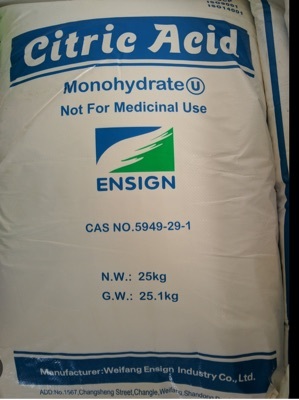
ENSIGN Citric Acid Monohydrate is a high-purity food-grade acidulant widely used in food, beverages, pharmaceuticals, and industrial applications. It is a white crystalline powder with excellent solubility, used for acidity regulation, preservation, flavor enhancement, and pH control. Known for its consistent quality and reliable performance, it complies with international quality standards. Brand: ENSIGN Grade: Food Grade Packaging: 25 Kg Bag Offered By: SGU Trade Pvt. Ltd.
Superior Acidulant and Multifunctional IngredientKnown for its strong acidity and purity, citric acid monohydrate enhances flavor and shelf life in food and beverages. In addition, its versatile chemical properties allow it to serve as a stabilizer, chelating agent, and preservative. Its high solubility makes it suitable for numerous applications in pharmaceuticals, cosmetics, and water treatment industries.
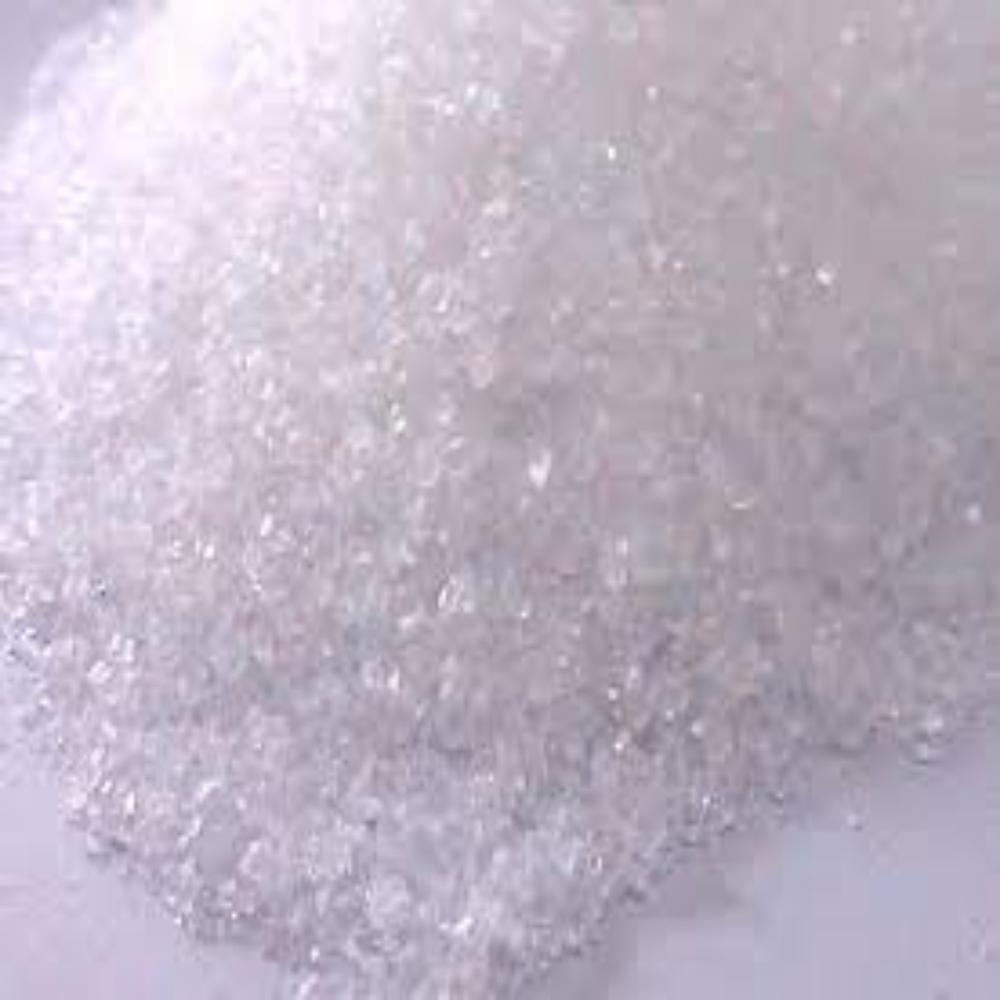
Key Physical and Chemical PropertiesCitric acid monohydrate appears as a white crystalline powder or colorless crystals, with an assay range of 99.5% to 100.5%. It melts at 153C (but decomposes) and dissolves readily in water (>590g/L at 20C) and ethanol (96%). The product is colorless, odorless, and has a solid content close to 100%, further ensuring its suitability for diverse formulations.
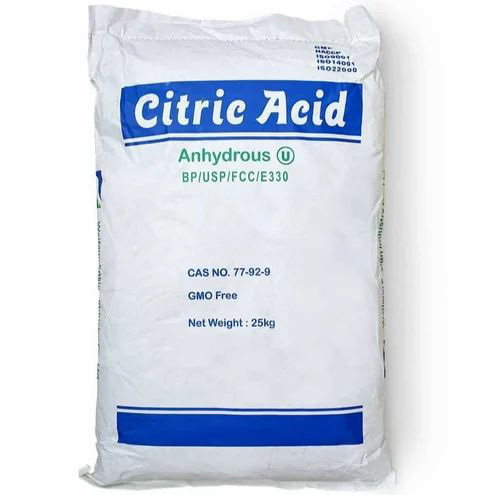
Safe and Convenient Packaging and StoragePackaged in 25 kg bags with a plastic inner liner and outer woven or kraft paper bag, citric acid monohydrate is engineered for safety, stability, and ease of transport. For optimal shelf life and quality, it should be kept in cool, dry, and well-ventilated areas away from incompatible substances, maintaining its efficacy for two years under recommended conditions.
FAQ's of Citric acid monohydrate:
Q: How is citric acid monohydrate commonly used across different industries?
A: Citric acid monohydrate is widely used as an acidulant and pH regulator in food and beverages, a stabilizing and chelating agent in pharmaceuticals, a key ingredient in cosmetics, and a water treatment chemical. Its versatility and high purity support these broad applications.
Q: What benefits does citric acid monohydrate provide in food and beverage applications?
A: In food and beverage products, citric acid monohydrate intensifies flavors, extends shelf life, and stabilizes pH levels. Its strongly acidic, refreshing taste also enhances product palatability, making it a favored additive for many formulations.
Q: When should citric acid monohydrate be incorporated into production processes?
A: Citric acid monohydrate is typically added during the mixing or formulation stage, where pH control or acidification is required. This ensures even distribution and maximum efficacy in end products.
Q: Where should citric acid monohydrate be stored for best results?
A: It should be stored in a cool, dry, well-ventilated area, away from incompatible substances. Proper storage conditions preserve its high quality and extend its shelf life up to two years.
Q: What is the process for determining the quality and purity of citric acid monohydrate?
A: Quality is assessed via parameters like assay (99.5%-100.5%), residue on ignition, content of heavy metals, water solubility, and appearance. These factors ensure conformity with food, pharmaceutical, and industrial standards.
Q: How does citric acid monohydrate's strong acidity affect its usage?
A: With a pH of 1.8-2.2 in a 1% solution, citric acid monohydrate offers robust acidity, making it effective for rapid pH adjustment and as a preservative in formulations where high acidity is desirable.
Q: What are the environmental and safety considerations for handling this compound?
A: Citric acid monohydrate is considered safe under recommended usage conditions. It should be handled with basic protective equipment and kept from direct contact with incompatible materials. Proper packaging also ensures safe handling and transportation.






 Send Inquiry

 Send Inquiry
 Send Inquiry